PROJECTS
FUSION ENGINEERING PROJECT
The FUSION Engineering Project
FUSION empowers members to explore their potential through pioneering projects like the FUSION Engineering Project (FEP) and various STEM initiatives. Committed to fostering leadership and technical skills, we provide a platform for ideas and solutions. Join us in shaping the future of STEM.
Teams rigorously design their robots, drawing inspiration from existing projects and learning about relevant technology. Using software like TinkerCAD and Solidworks, they create detailed models. Manufacturing involves 3D printing, laser cutting, and soldering. After assembly, robots are tested to identify issues, optimize design, and practice control for the showcase.
The FEP Team Structure
The FEP Team Structure gives members the opportunity to take on either Hardware or Mechanical roles, each with a dedicated lead to manage and guide their domain. Mechanical members focus on designing, building, and optimizing structures, while hardware members develop and integrate electronic systems. Throughout the project, all team members collaborate closely to ensure that mechanical and electronic components work together seamlessly, resulting in a fully functional and cohesive final product.
CLICK A POSITION TO LEARN MORE >>
Manage, plan, and lead the entire project while designing, building, and optimizing mechanical structures and systems to ensure coordination, functionality, performance, and successful completion.
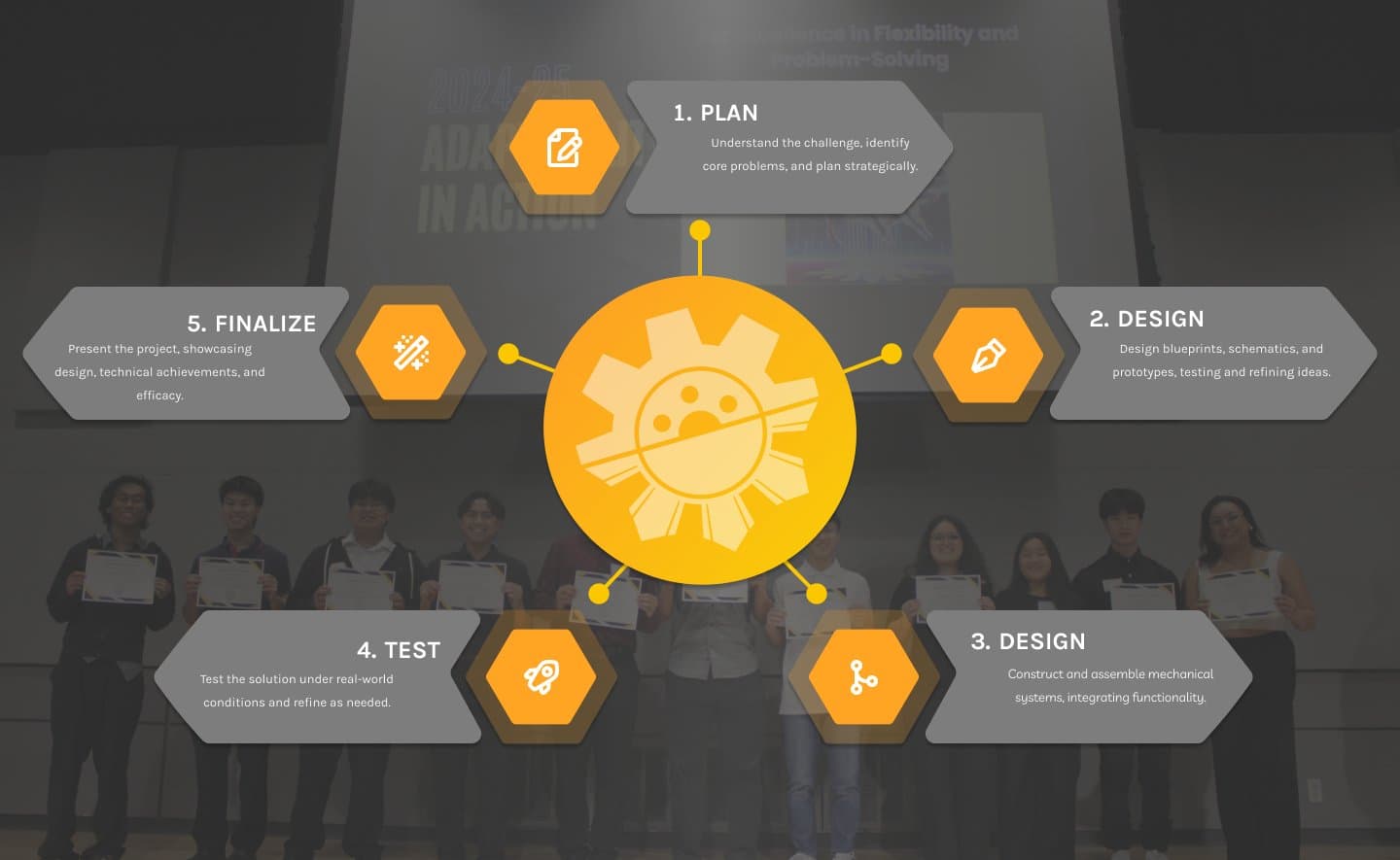
Project Timeline
1. Planning
Teams start by thoroughly understanding the given challenge, breaking it down into core problems and identifying key requirements. They then develop a strategic plan, including timelines, resource allocation, and initial design concepts.
2. Designing
In this phase, teams focus on detailed design work, creating blueprints, schematics, and prototypes. Mechanical and hardware components are modeled and tested to ensure they meet the challenge's specifications. Iterative testing and refinement are crucial at this stage.
3. Building
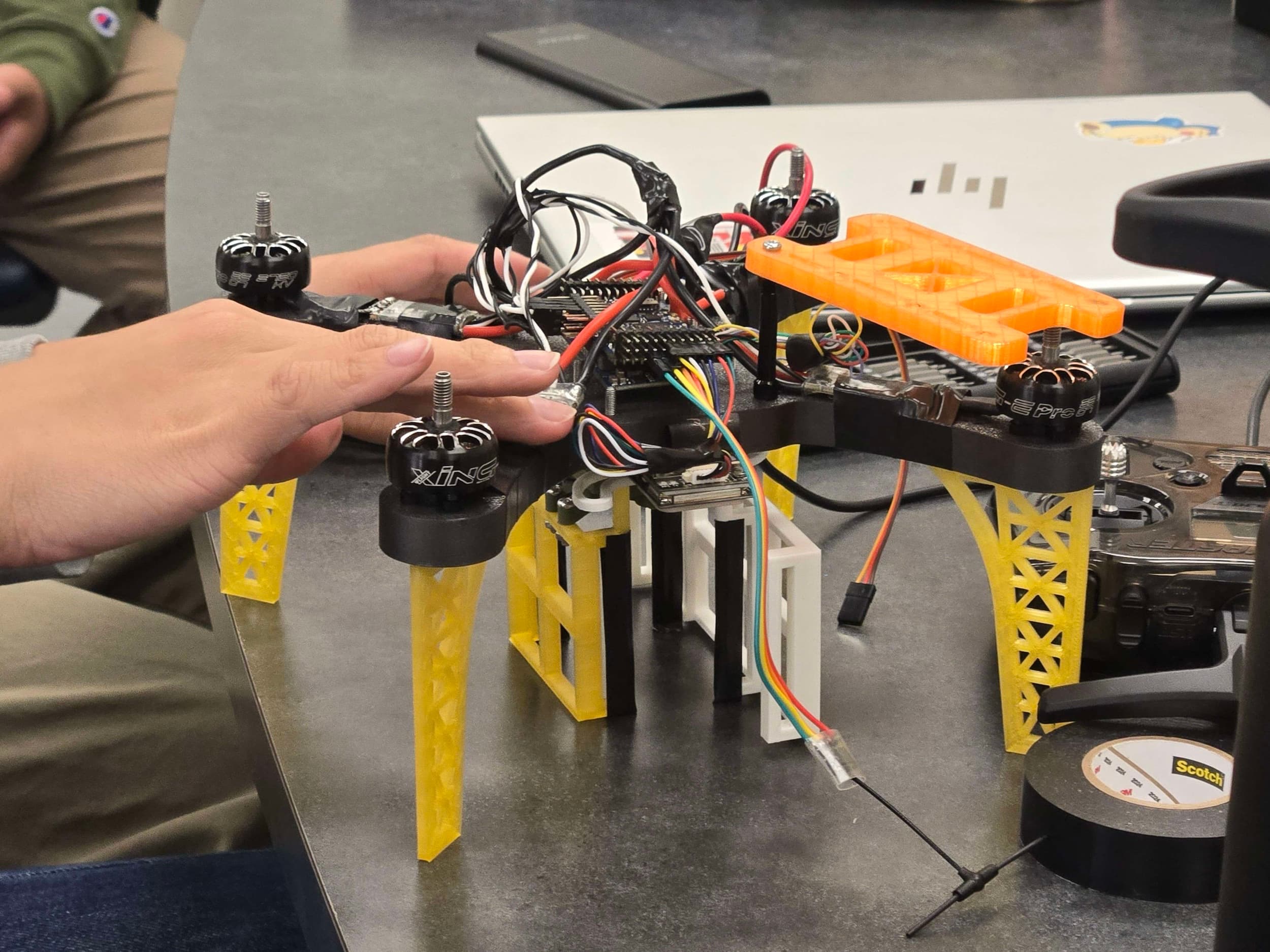
Teams proceed to the construction and assembly of their solution. Mechanical systems and hardware components are built, integrated, and rigorously tested for functionality. Teams work collaboratively to ensure all parts work together seamlessly and address the challenge effectively.
4. Testing
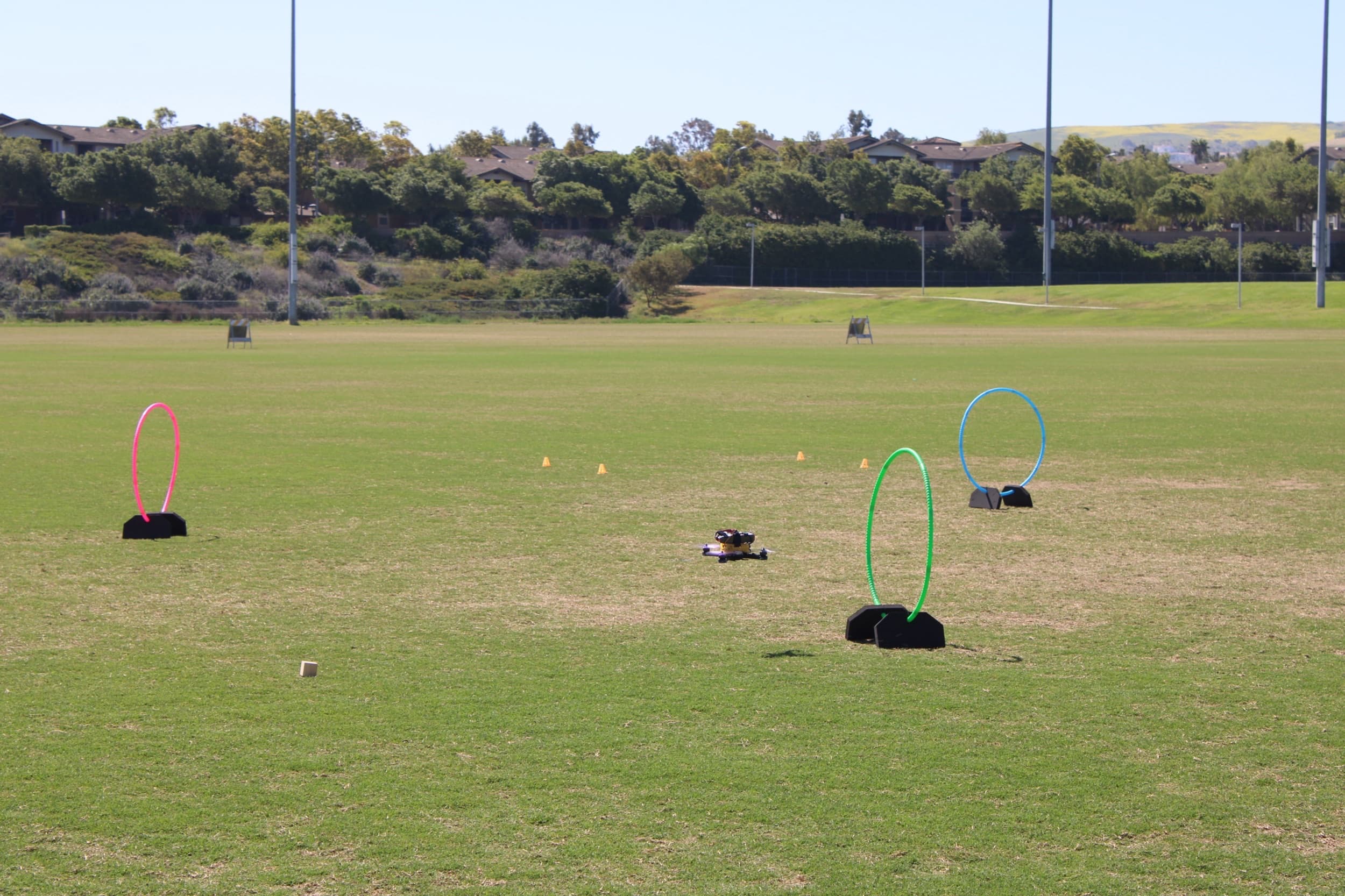
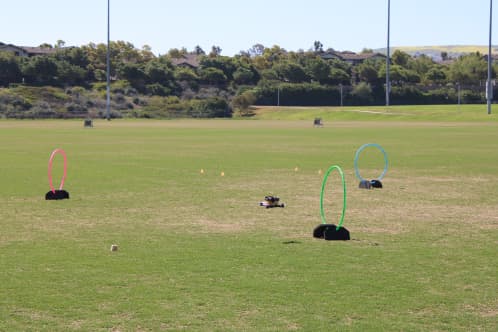
Teams rigorously test their solution under real-world conditions to ensure functionality and reliability, refining their design based on performance data and feedback.
5. Presentation
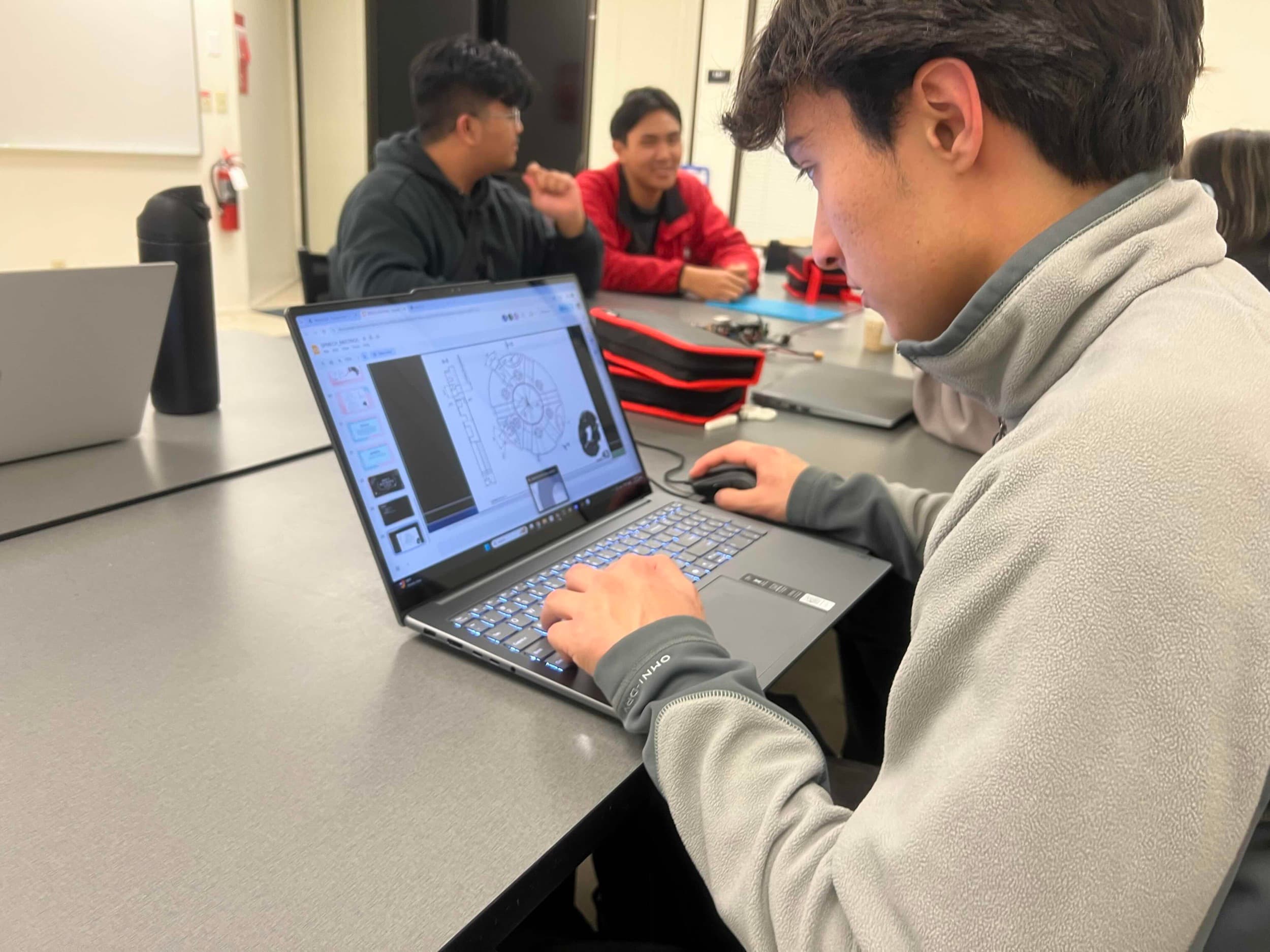
The final phase involves thorough testing under real-world conditions to validate the solution. Teams then prepare for a comprehensive presentation of their project, showcasing their design process, technical achievements, and how their solution effectively meets the challenge.
FEP 2025
By The Numbers
 3
 +80%
 +92%
 +33%
2024-2025 Project
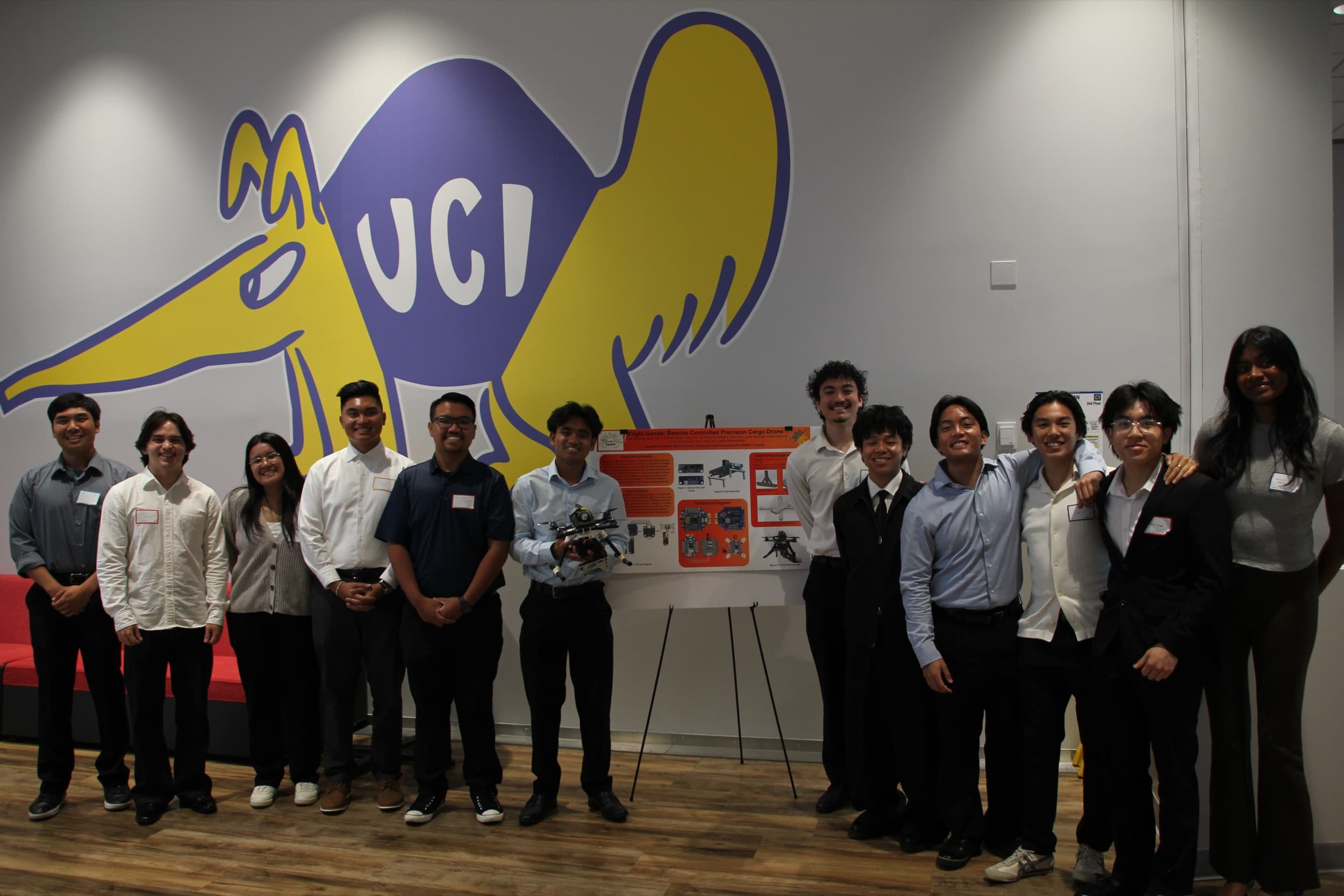
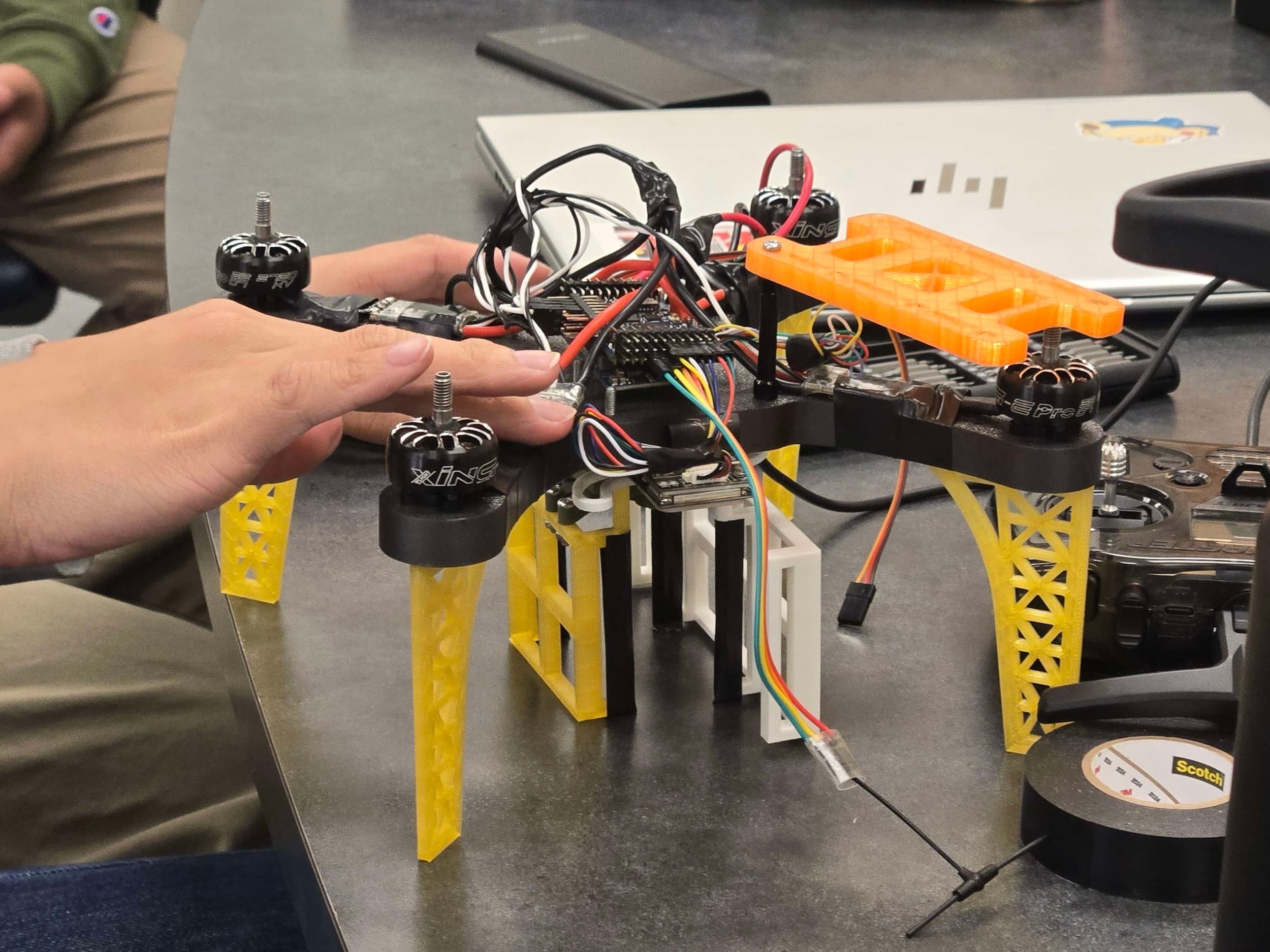
Remote Controlled Precision Cargo Drone
TEAM 1
Sapin Saplane
TEAM 2
Flight Ganda
TEAM 3
LeDrone
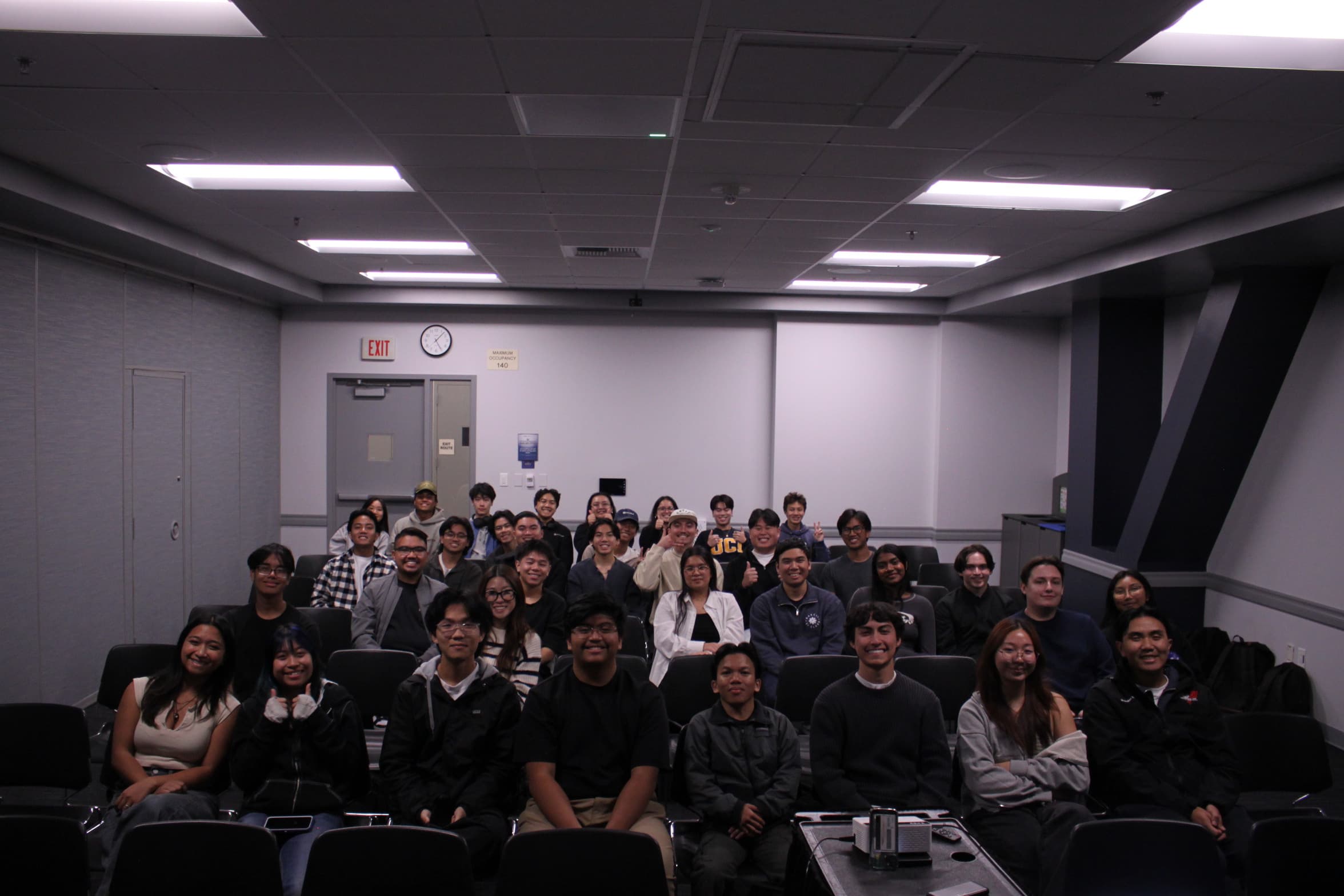
FINDINGS FROM FEP


“FEP played a crucial role in shaping my technical skills and professional identity. Before joining FEP, I had no technical experience. I had never worked with a breadboard or even wires. Through the program, I gained hands-on knowledge and learned a lot. It also helped me develop key soft skills, such as communication, teamwork, and professional growth.”
Kaitlin Sasot - Hardware Subteam

“FEP has been a huge help in how I communicate and work with others, especially when collaborating on projects with more experienced upperclassmen. It gave me a lot of hands-on technical experience, actually designing and building instead of just learning concepts in class. I got to see how real engineering projects come together and learned how to problem-solve when things didn't go as planned.”
Jan Wayne Agluba - Hardware Subteam
Our Sponsors



We’re grateful to our sponsors for supporting innovation, community, and student success — their partnership helps the FUSION Engineering Project continue to grow and thrive. If you are interested in providing any form of mentorship, guidance, or support towards the FUSION Engineering Project, please reach out!
Contact Us to Get Involved